HRT: fact-checking risks and benefits
Peer reviewed by Dr Colin Tidy, MRCGPLast updated by Lawrence HigginsLast updated 3 Nov 2025
Meets Patient’s editorial guidelines
- DownloadDownload
- Share
- Language
- Discussion
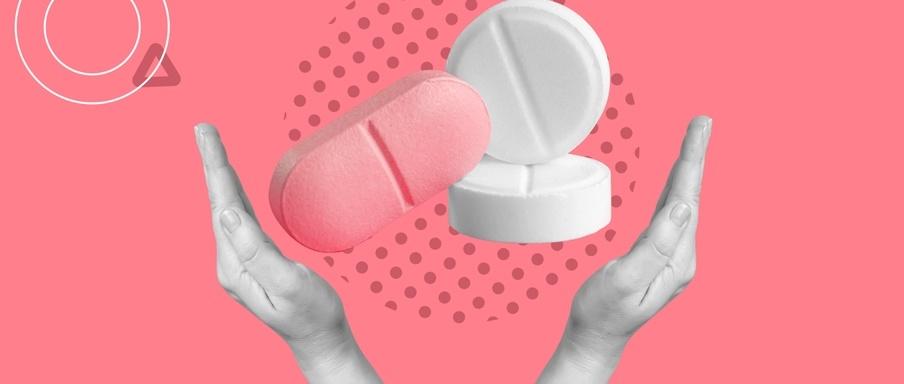
Myths persist about side effects and risks of hormone replacement therapy (HRT) for menopause.
Here we fact check the reality behind the rumours and misconceptions and give you the truth about taking this medicine which plays a vital role in helping you live with menopause more comfortably and healthily.
Sign up for our free 10-week Menopause course!
Each week, we'll explore different topics to help you better understand and navigate your menopausal journey, including HRT, diet, exercise, and mental health.
By subscribing you accept our Privacy Policy. You can unsubscribe at any time. We never sell your data.
In this article:
Continue reading below
What is HRT?
Hormone replacement therapy (HRT) is a treatment that replaces the hormones that decrease when you're going through menopause, which can ease the symptoms you're having. HRT is given as two hormones, oestrogen and progesterone, if you have a womb (uterus) - and as oestrogen-only if you no longer have a womb.
Types of HRT
Topical HRT
HRT can be applied topically as a gel, cream, patch, pessary or ring. Topical products are applied on the surface of the skin.
Oral HRT
Tablets that you swallow are a commonly-prescribed form of HRT.
Combined HRT - either in topical or oral forms
If they still have a womb, women take a combination of oestrogen and progesterone hormones in their treatment.
Oestrogen-only HRT
Oestrogen-only HRT is usually only recommended to people with no womb, for example after hysterectomy. These come in topical and oral forms.
HRT risks
Back to contentsProfessor Anne MacGregor, a member of the British Menopause Society's advisory board, says that perceptions of risk have changed significantly over time as increasingly safer forms of HRT have been developed.
"Women worry about breast cancer but obesity, smoking, and drinking alcohol regularly carry a greater risk of breast cancer than taking HRT," she says.
"Blood clots have been another concern but topical oestrogen as a skin patch, gel, or spray does not increase your risk of blood clots.
"For any individual woman, the risks associated with taking HRT need to be balanced against the benefits, including symptom control, but also long-term protection against osteoporosis, cardiovascular disease, and vulvovaginal atrophy - thinning and drying of the vulva and vagina."
Does HRT increase risks of breast cancer?
Yes, it does slightly increase your risk, but the benefits of HRT outweigh the risks. The NHS advises that combined HRT is linked with a small increase in the risk of breast cancer, but there is little or no change with oestrogen-only HRT. Your risk depends on how long you use HRT, and this falls after you stop taking HRT.
Does HRT increase risks of endometrial cancer?
If you still have a womb and only take oestrogen-only HRT, this would increase your risk of endometrial cancer. This is why oestrogen-only HRT is never given on its own if you have a womb. Taking combined HRT with the added progesterone protects your womb lining from the effects of oestrogen, and therefore doesn't affect your cancer risk.
Does HRT increase the risk of blood clots?
Yes, from tablets - but not patches. If you have a history of blood clots you may not be able to be given HRT. Doctors also advise controlling high blood pressure before starting HRT.
Dr Paula Briggs, consultant at Liverpool Women’s NHS Foundation Trust and past-chair of the British Menopause Society (BMS), says doctors may recommend topical HRT to patients with a risk of blood clots: "When we give oestrogen through the skin, it doesn't affect the risk of having a blood clot. So, for a patient who's got a BMI of, say, 30 or more, that patient already has an inherent risk, and you wouldn't want to make that risk any higher by giving oral oestrogen.”
Continue reading below
HRT benefits
Back to contentsManaging night sweats
Many women have hot flushes and night sweats during the menopause, which can affect your mood and sleep, as well as being uncomfortable in themselves.
Reducing vaginal dryness
During the menopause, you may notice your sex drive falls, and your vagina may get drier. HRT may be able to help you maintain your sex life and reduce the discomfort of these physical changes.
Osteoporosis
HRT has also been shown to keep bones strong and prevent osteoporosis, which becomes more common in women after the menopause.
How to reduce risks from HRT
Back to contentsAfter you've familiarised yourself with the different types of HRT, and the way risks vary between these types, your doctor can tell you what HRT you can be given and what they advise.
Continue reading below
What can you do if you can't take HRT?
Back to contentsBeyond HRT, doctors often recommend diet and lifestyle changes - for example, stopping smoking and cutting back on caffeine, alcohol, and spicy food. Some doctors might recommend non-hormonal medicines to treat hot flushes and night sweats, and some women find self-guided CBT helps with sleep changes during menopause.
Professor MacGregor says that many people who think they cannot take HRT may actually be able to, depending on the type of cancer and the treatment they have had, and most can use vaginal oestrogen.
"For those who can't take HRT, there are plenty of other ways to help their symptoms and long term health, although it is true to say that they don't provide the same all-round benefit of HRT," she says.
Patient picks for Menopause and HRT

Hormones
Your diet and the menopause
Hot flushes are just one of the many symptoms of the menopause, along with mood swings, exhaustion, and weight gain, which can affect your day-to-day life. HRT is an effective treatment for hot flushes, but making changes to your diet may also help ease some of the challenging symptoms too.
by Lawrence Higgins

Hormones
What are the side effects of HRT?
Hormone replacement therapy (HRT) is commonly prescribed to people who are going through menopause to help manage their symptoms. However, some people are concerned about the side effects. We spoke with a doctor to learn more about the possible side effects of HRT.
by Victoria Raw
Article history
The information on this page is peer reviewed by qualified clinicians.
Next review due: 3 Nov 2028
3 Nov 2025 | Latest version
13 Feb 2024 | Originally published
Authored by:
Ellie Broughton
Ask, share, connect.
Browse discussions, ask questions, and share experiences across hundreds of health topics.

Feeling unwell?
Assess your symptoms online for free
Sign up to the Patient newsletter
Your weekly dose of clear, trustworthy health advice - written to help you feel informed, confident and in control.
By subscribing you accept our Privacy Policy. You can unsubscribe at any time. We never sell your data.